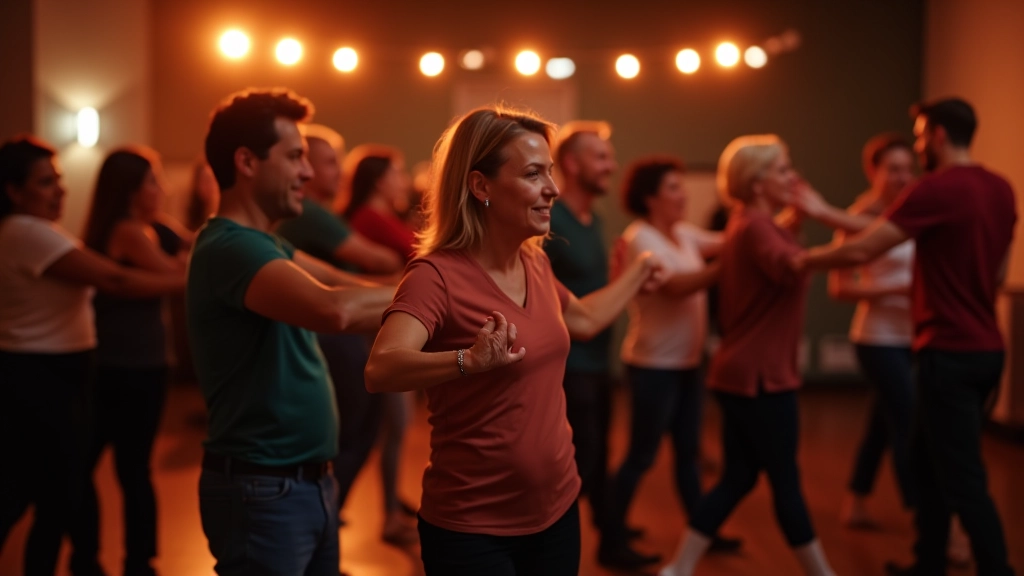
Starting a new dance class can feel overwhelming. You're wondering if you'll fit in, if everyone else already knows what they're doing, and whether you'll actually be able to keep up. Here's the thing — it's totally normal to feel that way. We've helped hundreds of adults find their right fit, and we're going to walk you through exactly how to choose a class that works for your current level and goals.
Understanding Class Levels
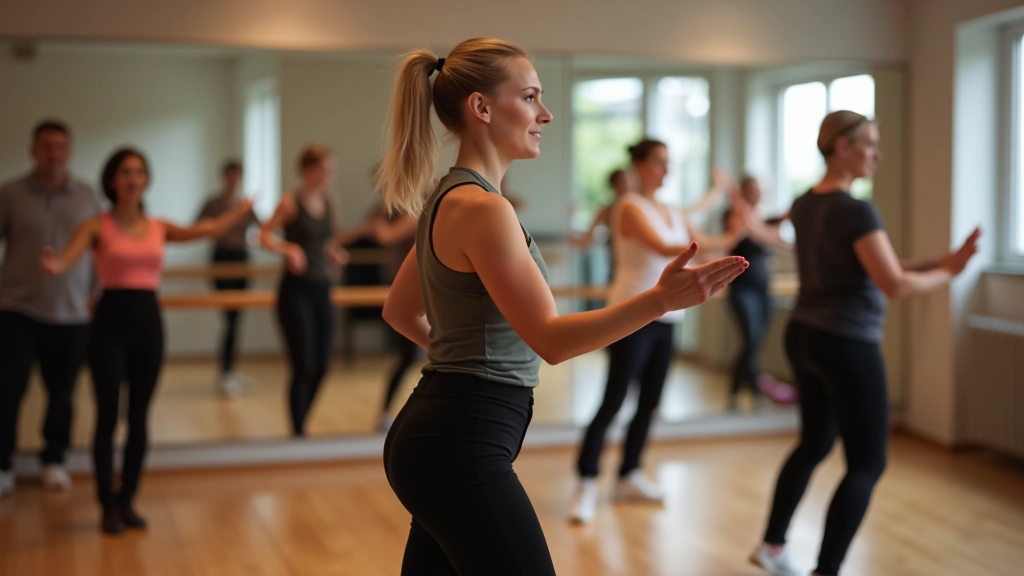
Most dance classes follow a simple structure. Beginner classes assume you've never danced before — no prior experience needed. You'll learn basic steps, rhythm, and how to move with a partner if it's partner dancing. Intermediate classes expect you've got the fundamentals down and want to add complexity. Advanced classes? Those are for people who've been dancing seriously for at least a year or two.
The confusion usually happens at the intermediate level. Some studios call their classes "beginner-intermediate" or "all levels," which really means anyone can come, but there's going to be a mix of skill. Don't let that scare you off. Mixed-level classes can actually be great — you'll see what's possible as you improve, and experienced dancers are usually helpful about showing newer people what to do.

What Actually Happens in Beginner Classes
A typical beginner class runs about 60-90 minutes. You'll arrive, maybe chat a bit, then the instructor takes you through a warmup. This isn't intense gym stuff — it's more about getting your body loose and your mind focused. Then you'll learn the basic step, usually breaking it down into smaller parts. One foot forward. Then the other. Then you add timing. Then you add hip movement. Before you know it, you're doing the full step without thinking about it.
If it's partner dancing, you'll spend maybe 15-20 minutes learning to connect with a partner. That's actually the part that surprises most people. The step itself isn't hard. But dancing with someone else? That requires communication through your arms and body. Good instructors teach this clearly and don't expect you to get it perfectly on day one. You won't. That's fine.

Key Things to Check Before Signing Up
- Class size: Smaller classes (under 15 people) mean more individual attention. Bigger classes can feel less intimidating for some people.
- Instructor experience: Look for someone who's taught beginners before. It's a different skill than being a great dancer.
- Studio atmosphere: Visit before signing up if you can. Does it feel welcoming? Are people laughing or stressed?
- Schedule that fits: The best class is the one you'll actually attend. Tuesday evenings won't help if you work late Tuesdays.
- Music style: You don't have to love every song, but you should like the general vibe. If you hate the music, you won't want to come back.
Choosing Between Dance Styles
Bachata and salsa are the most popular social dances in Estonia right now. Bachata's slower — you've got time to think about your next move. It's intimate and emotional. Salsa's faster and spins more. You're moving around the floor and there's more energy. Neither is harder, they're just different. Some people gravitate toward one immediately. Others need to try both.
Tango's another option if you want something more dramatic. Waltz if you prefer ballroom. But honestly? Start with whatever sounds appealing. You can always switch styles later. The coordination and musicality you develop in one style transfers to another.
The First Class Reality Check
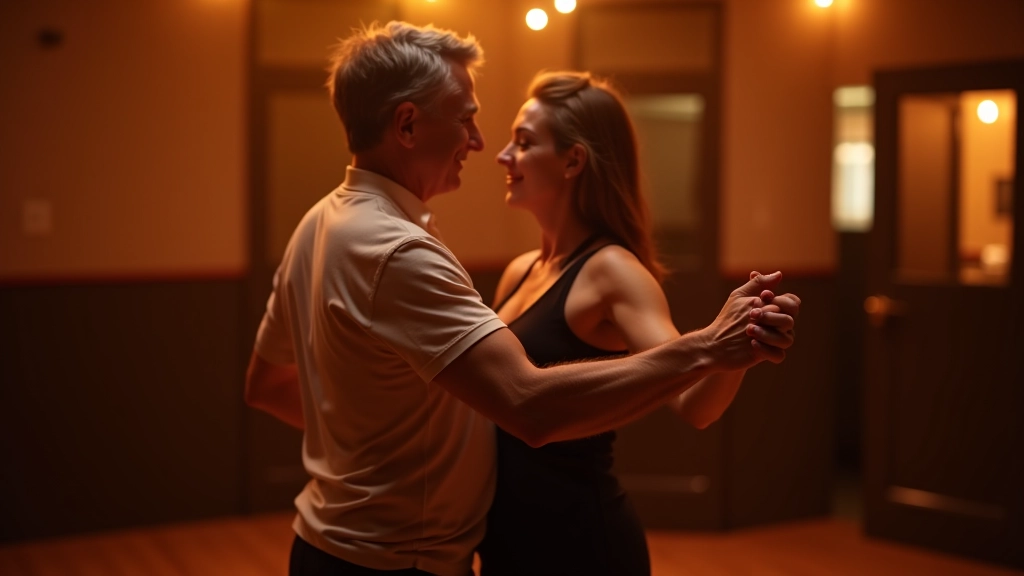
Your first class will probably feel awkward. That's not because something's wrong with you — it's because learning new movement patterns is genuinely awkward at first. Your brain's processing a lot. Where does your weight go? When do you step? What are your arms doing? All at the same time. It's overwhelming for about 15 minutes. Then something clicks and it gets better.
Most people notice real improvement within 3-4 weeks. By week 6-8, you'll actually feel like you know what you're doing. That's when it gets fun. You stop thinking about the steps and start enjoying the music and your partner. Don't quit before that point.
Where to Find Classes in Estonia
Tallinn's got the most options — multiple studios offering beginner classes several times a week. Tartu's scene is smaller but solid, with regular meetups and classes. Smaller cities often have community centers or clubs that host weekly social dances. Don't assume there's nothing in your area. Search for "dance" + your city name, check Facebook groups, and ask around at cafes. Local dance communities are usually friendly about welcoming newcomers.
Some studios offer trial classes for free or cheap. Take advantage of that. You'll get a real feel for the instructor's style and the class atmosphere. It's worth the 15 minutes to check it out before committing.
Making Your Decision
Here's what we've learned from working with thousands of adult dancers: The best class is the one that matches your current level, fits your schedule, and has an instructor you like. Don't overthink it. Pick one that seems reasonable, commit to at least 4 weeks, and see how it goes. You're not locked in forever. If it's not right, you can try another.
Most importantly, remember that every single person in that beginner class felt nervous their first day. The instructor knows that. The other students know that. You're going to be fine. And in a few months, you'll be the one helping the nervous newcomers figure out their basic step.
Important Note
This article provides general guidance on choosing dance classes. Individual experiences vary based on personal fitness level, prior movement experience, and instructor teaching methods. Always consult with class instructors about any physical limitations or health concerns before starting. Dance classes are educational and recreational activities — not medical treatments or therapeutic interventions.