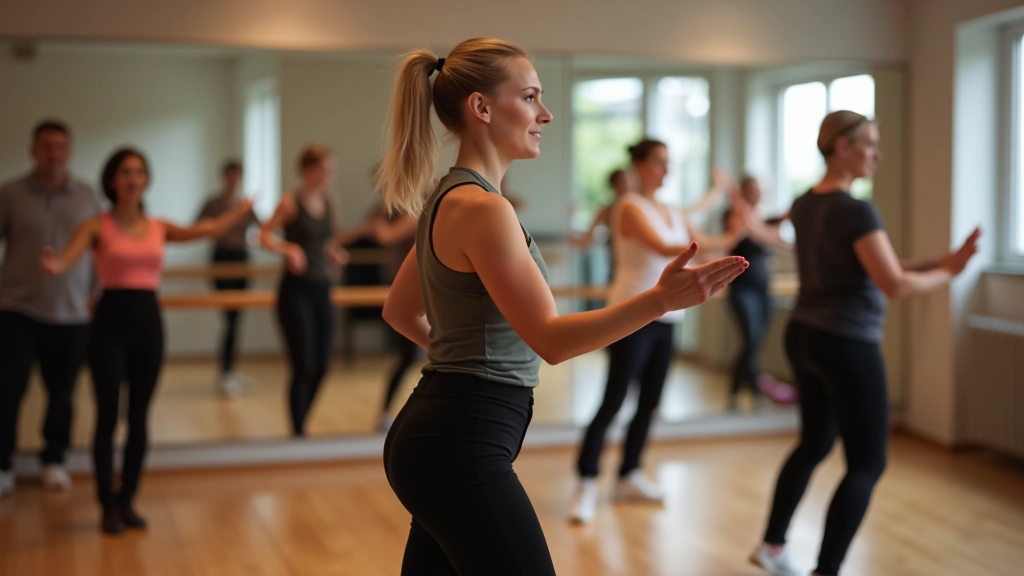
Salsa Meetups in Tartu: What to Expect
A complete guide to Tartu's vibrant salsa scene. Find out about weekly meetups, what to expect on your first night, and how to connect with the local dance community.
Learn the fundamental steps, timing, and partner connection that makes bachata special. Perfect for beginners in Tallinn.
Bachata isn't just a dance — it's a conversation between two people moving as one. Originating in the Dominican Republic, this sensual partner dance has become a beloved social activity for adults across Estonia, especially in Tallinn where weekly gatherings bring together people of all ages and backgrounds.
Unlike some dances that feel distant or formal, bachata is intimate and expressive. You'll find yourself moving with a natural rhythm, staying close to your partner, and really listening to the music. The good news? You don't need previous experience. Most beginners pick up the basics in just a few sessions.
Every bachata begins with the same foundational step. It's simple, rhythmic, and once it becomes muscle memory, everything else builds from there.
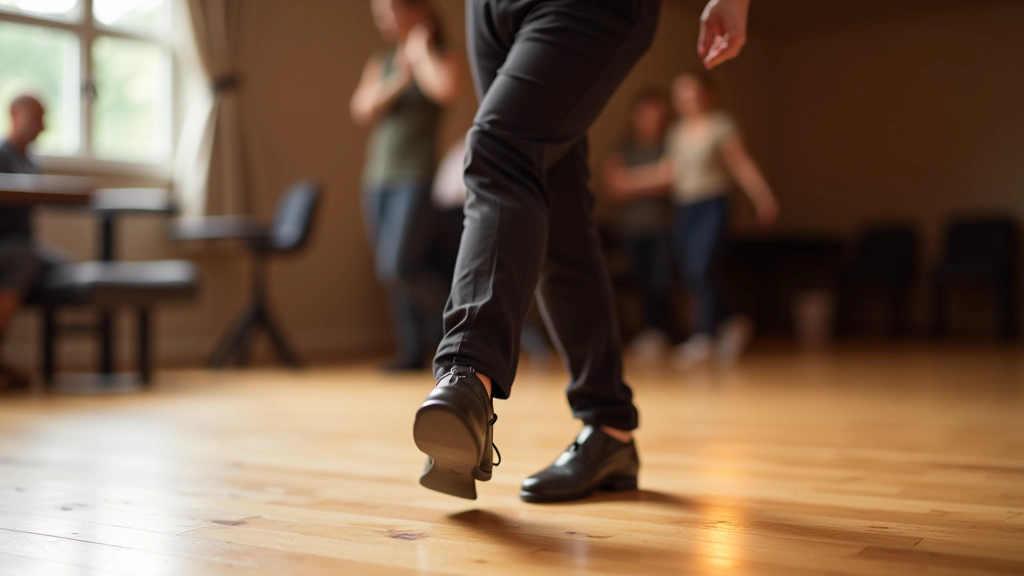
Step forward with your left foot on beat one. Keep your knees slightly bent and stay relaxed. This isn't about reaching far — just a natural step.
Step to the side with your right foot on beat two. Your hips naturally move here — don't force it. Let gravity do the work.
Close your left foot back to where it started on beat three. You've completed the basic pattern. On beat four, you pause — that's the magic of bachata's rhythm.
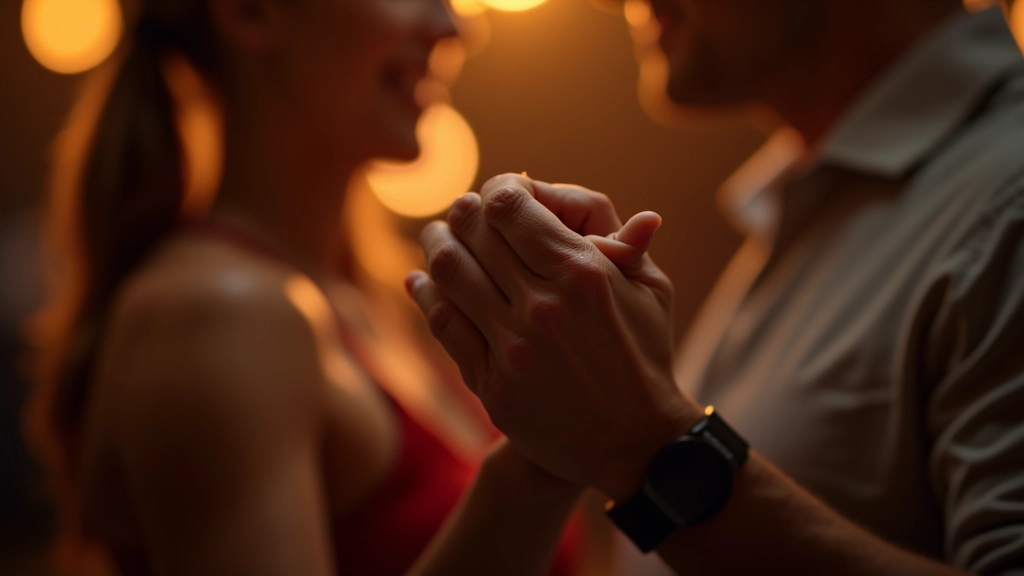
Here's what makes bachata different from many other dances. You're not just dancing next to your partner — you're connected. Really connected. This isn't about being stiff or formal. It's about feeling what your partner's doing and responding naturally.
The lead (traditionally the man) uses subtle movements through the frame to guide direction and timing. The follow responds to these signals. It's a conversation without words. Your hands stay in contact, your bodies maintain proximity, and you move as a unit. Most beginners get nervous about this, but honestly? After a few dances, it feels natural. Your partner wants you to succeed.
Pro tip: Don't grip tightly. Think of your connection like holding a bird — firm enough that it won't fall, loose enough that it can breathe. Tension kills the flow.
Bachata music follows a simple four-beat pattern, but there's something special about how dancers interpret beat four. Most people new to bachata count: one, two, three... then pause on four. That pause? That's where the magic happens. That's the bachata feel.
The rhythm has a distinctive sound — a bit slower than salsa, more intimate, with emphasis on guitar melodies and romantic vocals. When you hear it, you'll recognize it immediately. The tempo typically ranges from 100 to 130 beats per minute, giving you plenty of time to move without rushing.
In Tallinn, most bachata evenings play a mix of classic tracks and modern interpretations. You'll hear artists like Juan Luis Guerra, Romeo Santos, and contemporary bachata artists. The beautiful thing is that once you understand the basic rhythm, you can dance to any bachata song because the pattern stays consistent.
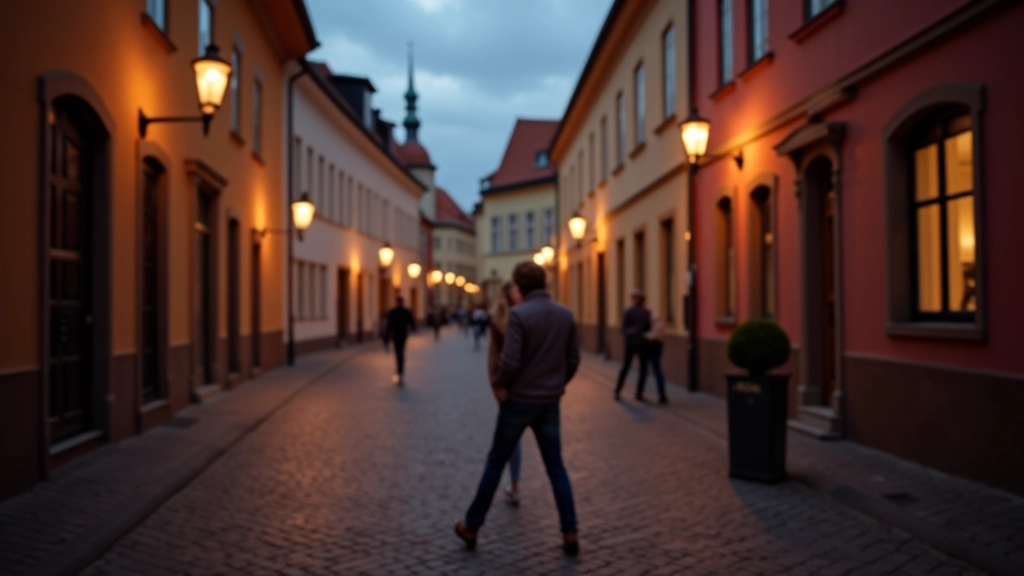
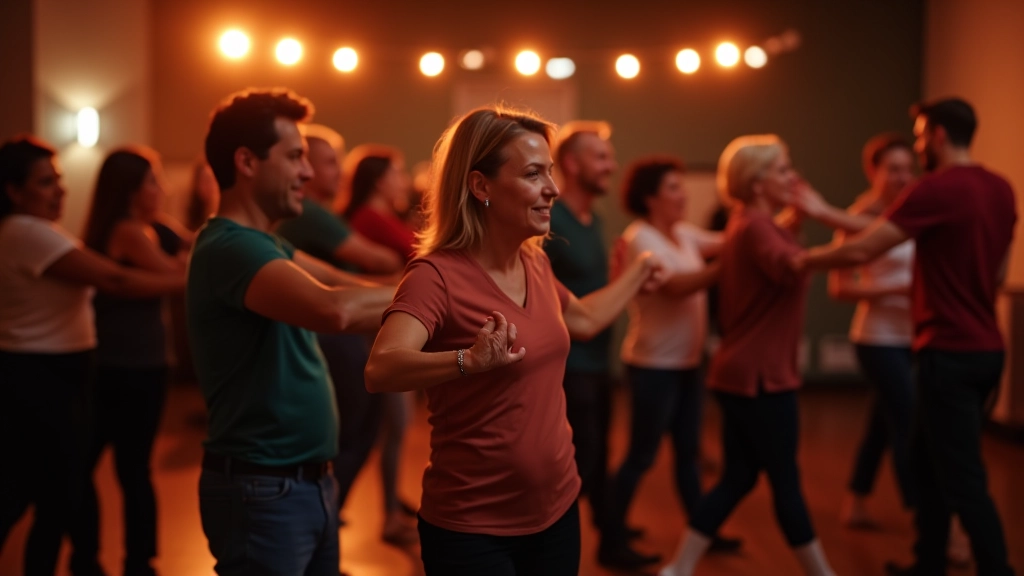
Tallinn has become a real hub for social dancing over the past few years. There's something about this city — the mix of tradition and openness — that makes it perfect for dance communities. You'll find regular bachata nights at several venues across the city, from cozy dance studios to larger social spaces.
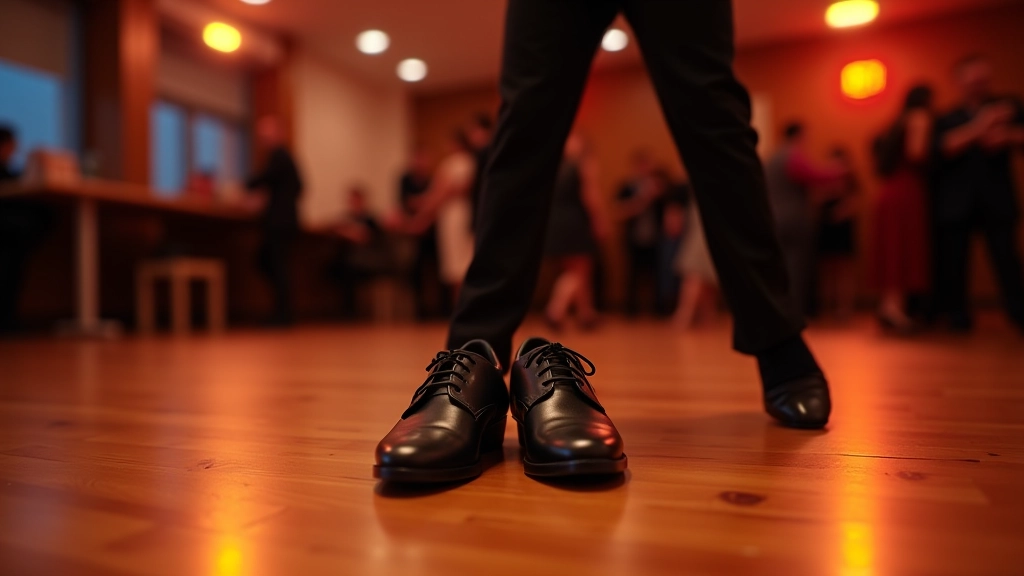
Here's the real situation: most bachata venues in Tallinn run events once or twice a week. They're welcoming to complete beginners. You don't need to bring a partner — singles are always welcome and they'll help pair you up. Expect to pay a small entrance fee (usually 5-10 euros) which covers the space and the DJ. Dress comfortably. Wear shoes with good support but that let you pivot — sneakers work, dance shoes are even better.
Show up 15 minutes early to get oriented. There's usually a brief beginners' session before the main event, or the community members will help you learn the basics on the spot. Don't be shy about asking for help or requesting a dance from someone who looks experienced. Everyone remembers being a beginner, and the bachata community is genuinely supportive.
You'll be standing and moving for hours. Good shoes make all the difference. Avoid heavy boots or stiff dress shoes. Look for shoes that let your foot pivot smoothly.
Tension is the enemy of good dancing. Keep your shoulders loose, your knees soft, and your frame relaxed. The movement comes from your core, not from gripping your muscles.
Don't just count beats — actually listen. Feel the rhythm in your chest. The guitar lines and the vocals are part of what makes bachata special.
Don't wait for invitations. Approach someone politely and ask. Most people will say yes. It's how you learn and how you meet others in the community.
Don't try to add spins and fancy moves immediately. Master the basic step pattern first. Everything else builds from there naturally.
Bachata is social. Chat with people between dances. You'll make friends quickly. The community in Tallinn is genuinely welcoming to newcomers.
Learning bachata isn't about becoming a perfect dancer. It's about discovering something new, connecting with people, and enjoying music in a completely different way. In Tallinn, you're joining a community that's warm, welcoming, and genuinely excited to help you learn.
The first step is always the hardest. Show up to a venue, introduce yourself, and give it a try. You'll probably make a few small mistakes. That's completely normal — everyone does. What you'll also discover is that most people in the bachata community are patient, encouraging, and more interested in helping you have fun than judging your footwork.
Within a few weeks of regular practice, you'll feel the rhythm in your body. Your basic step will feel natural. You'll start noticing the music differently. And you'll find yourself looking forward to the next bachata evening. That's when you know you've caught the bachata bug.
This guide is for informational and educational purposes only. It's designed to help you understand bachata basics and what to expect when starting out. Individual experiences vary, and everyone learns at their own pace. If you have any physical limitations or health concerns, please consult with a healthcare professional before beginning any new physical activity. Dance instruction is best learned in person from qualified instructors who can provide personalized feedback and corrections.